
Public foundation
Start from public sources.
We build on public case law, statutes, court metadata, and citation data where they can be obtained and verified. Source provenance matters as much as interface polish.
About freecase.ai
Freecase is a legal research project built around a simple premise: public law should be easier to find, read, and verify. We are combining public legal data with modern search tools so more people can work from the same source material.
Court opinions and statutes are not ordinary content. They are the operating record of the legal system: what courts have decided, what legislatures have enacted, and what lawyers, judges, journalists, researchers, and the public need to understand before they can make responsible decisions.
The law is public in a deep sense. The hard part has always been practical access: collecting the opinions, cleaning the text, resolving citations, ranking results, and showing enough context that a user can verify what they are reading. Those are product and engineering problems, not reasons to leave legal knowledge behind a maze.
Freecase is our attempt to make the useful layer more accessible: search that respects legal structure, sources that can be checked, and AI features that assist research without pretending to replace judgment.
What we mean by access
Public foundation
We build on public case law, statutes, court metadata, and citation data where they can be obtained and verified. Source provenance matters as much as interface polish.
Search first
The first job of a legal research system is to find the authority: put the relevant text in front of the user, preserve the citation, and make it easy to inspect the underlying opinion or statute.
AI with restraint
Summaries, query help, result ranking, and citation-aware assistance can be useful. They must stay grounded in the sources and be evaluated against legal research mistakes that actually matter.
Freecase aims to be plain about what it can do, what it cannot do yet, and where its legal sources come from. Pricing should be plain too: our goal is to keep the core research experience free and make any paid features clear before a user invests time in the tool.
How we work
Freecase is not built around a single model or a slogan. Our product choices are informed by legal-search research, reliability studies, citation work, and the practical lessons of cleaning a large legal corpus.
That research points in a practical direction: preserve source text, respect legal structure, rank carefully, and test the system against real research failures. For AI features, fluency is not enough; the answer has to point back to support.
The Resources pagelists the papers and benchmarks that shaped our public-facing design principles. It does not describe Freecase's internal implementation details. We gratefully acknowledge the researchers whose work made our mistakes easier to spot.
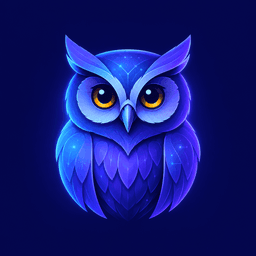
What's with the owl?
Nomos is Greek for law, custom, or ordering principle. Nomo is our AI assistant: part guide, part librarian, part reminder that legal research rewards patience and careful reading.
Owls are ancient symbols of wisdom, so we think of Nomo as a wise old law librarian who has forgotten more about how and where to find obscure law than most attorneys will ever know. He is our avatar, mascot, and helper. He is also a useful warning: even a very clever owl should point you to the source, not ask you to take his word for it.